Black History Month Black Pride African
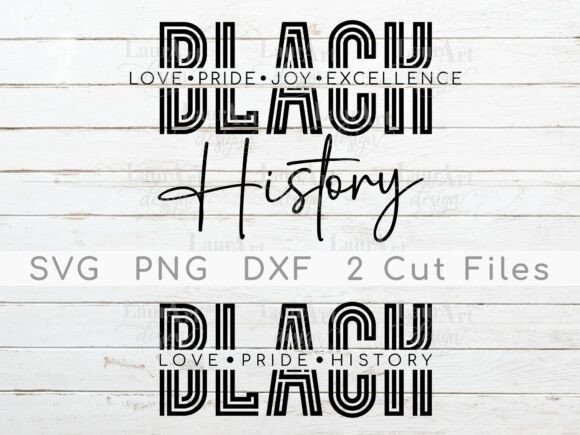
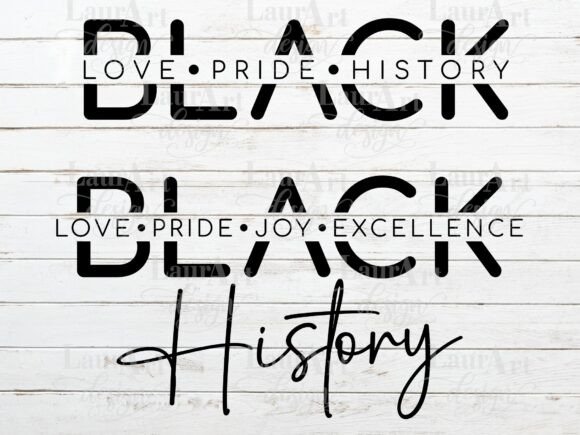
When I first opened the folder for Black History Month Black Pride African, my immediate reaction wasn't about the file formats or the resolution. It was about the mood. As a designer who spends hours staring at stitch density and thread counts, the first thing I look for is character. Does this design have a story? This particular piece feels like a statement of unity and strength. The visual personality is bold, confident, and deeply rooted in cultural celebration. It isn't just a graphic; it is an emotional anchor for any project it touches.
This review comes from the perspective of someone who has taken digital files and turned them into tangible, high-quality finished products for clients and personal use. I am evaluating whether Black History Month Black Pride African holds up under the needle or if it remains better suited as a print-on-demand asset. After running through several scenarios in my studio, here is what you need to know before committing this design to your next embroidery project.
The First Stitch: Visual Impact and Design Integrity
The layout of Black History Month Black Pride African is designed with clarity in mind. For machine embroidery, the spacing between elements is crucial. If the lines are too close together, they will bleed into one another during the stitching process, especially on smaller items. Based on the vector nature of the source files, the shapes appear robust enough to handle standard satin stitches without losing definition.
The theme naturally lends itself to heavy-duty fabrics where the texture of the thread can complement the material. Think of a sturdy canvas tote bag or a thick cotton sweatshirt. On these surfaces, the design shines because the fabric provides a stable foundation. However, if you attempt to place this on a thin, stretchy t-shirt without proper stabilization, the tension might cause puckering around the text or symbols. The design demands respect from the maker, requiring a firm hand and the right setup to ensure the final product looks professional rather than amateurish.
Real-World Application: From Digital File to Finished Product
I recently considered using Black History Month Black Pride African for a boutique client launching a line of holiday gifts. The goal was to create a collection that felt personal yet powerful. We settled on a custom embroidered apron for a local chef who wanted to honor heritage in her kitchen. The decision was strategic; an apron offers a large, flat surface area that accommodates the full width of the design perfectly.
Imagine the scene: a customer receives this apron as a gift. The contrast of the black thread against the dark fabric (or white thread against dark) creates a sophisticated look. The design doesn't just sit on top of the cloth; it becomes part of the garment's identity. In this context, Black History Month Black Pride African transforms a functional item into a keepsake. It elevates the perceived value of the handmade product significantly.
This same logic applies to baby items, though with caution. A onesie or a soft blanket could feature a simplified version of the motif. The emotional resonance is incredibly high for parents looking for meaningful gifts. When a buyer sees a personalized baby outfit with this specific message, it signals care and intention. It moves beyond a generic "cute" design into something that carries weight and history. For Etsy sellers and small shop owners, this kind of design is a goldmine because it taps into a desire for authenticity and representation.
Where Caution Is Required
Not every surface is created equal, and Black History Month Black Pride African is not a universal solution for every embroidery challenge. There are specific scenarios where this design requires careful consideration to avoid ruining the fabric or the machine.
- Small Hoop Sizes: If you are working on a cap or a small patch, the detail level might be too high. Tiny lettering or intricate corners can get lost when stitched down to a two-inch diameter. Always test the design within your actual hoop dimensions before running a full production batch.
- Textured and Stretchy Fabrics: Materials like fleece or jersey require aggressive stabilizers. Without them, the pull of the satin stitch can distort the shape of the letters. If the fabric stretches too much, the design will warp, making the message unreadable.
- Dense Stitch Areas: If the design includes large blocks of fill stitch, it adds significant weight to the garment. On lightweight apparel, this can make the fabric hang awkwardly. You must balance the thread count with the fabric weight to maintain drape and comfort.
- Curved Surfaces: Embroidering on a curved cap front is tricky. The design needs to be digitized specifically for curvature, or it may look stretched and unnatural. Check if the provided files account for this, or prepare to adjust the digitization settings.
Technical Notes for the Practical Designer
As an experienced reviewer, I cannot stress enough the importance of testing before selling. Even with a high-resolution 300 dpi PNG included in the package, the embroidery file behavior depends entirely on how it is converted for your specific machine. Before you start mass-producing Black History Month Black Pride African for your craft business, follow these essential steps.
- Test on Scrap Fabric: Never run a new design on your final product immediately. Use a scrap piece of the same fabric to check for puckering, thread breaks, and color contrast.
- Review Thread Colors: The design description mentions black and white options. Ensure you have the correct thread colors to achieve the intended contrast. On dark fabrics, white thread often requires a higher stitch count to prevent transparency.
- Check Stabilizer Usage: Depending on the fabric texture, you may need cut-away or tear-away stabilizers. Using the wrong type can lead to poor registration or damage to the fabric after washing.
- Inspect Small Details: Zoom in on the smallest parts of the design. If there are tiny gaps or sharp points, they might not stitch well. You may need to adjust the digitization settings to widen these areas slightly for better durability.
- Verify Licensing: If you plan to sell finished items made with this design, confirm the commercial license terms. Some digital embroidery files allow personal use only, while others permit selling the physical goods. Do not assume; read the fine print to protect your small business.
Final Thoughts on Value and Presentation
In the world of handmade products, presentation is everything. A well-executed embroidery design tells a story of quality and attention to detail. Black History Month Black Pride African has the potential to be a centerpiece for your collection, whether you are selling T-Shirt Designs or creating custom gifts. It resonates with buyers who value culture, history, and artistic expression.
When done correctly, this design enhances brand consistency. It shows that you understand your audience and respect the themes you are representing. For the creative entrepreneur, this is more than just a graphic; it is a tool for connection. By taking the time to perfect the stitch density, choose the right stabilizer, and test the hoop size, you ensure that the final product reflects the pride and strength inherent in the design itself.
Whether you are a hobbyist making a gift for a loved one or an Etsy seller building a catalog of commercial embroidery assets, this piece offers a strong foundation. Just remember that the magic lies not just in the file, but in the execution. Take the extra step to test, refine, and perfect. That is where the true value of a handmade product is found.