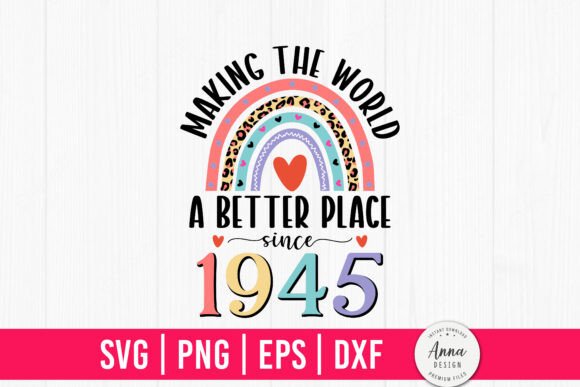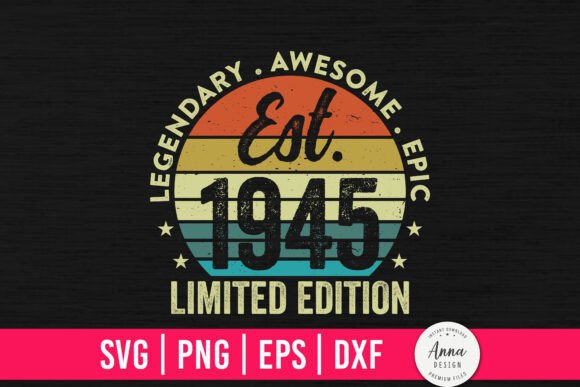
Est. 1945 Limited Edition 79th Birthday Review
When I first opened the file for Est. 1945 Limited Edition 79th Birthday, my initial reaction wasn't about the technical specs, but about the mood it evoked. As a designer who spends hours evaluating embroidery files for real-world applications, I look for that specific spark of personality that tells a story before a single stitch is placed. This design immediately feels like a warm embrace from the past. It isn't just a generic "Happy Birthday" graphic; it carries the weight and prestige of a life well-lived, anchored by the specific year 1945. For those of us in the craft business or creating high-end personalized gifts, that distinction matters immensely.
The visual personality of this piece is sophisticated yet accessible. The layout suggests a balance between celebration and commemoration. When I imagine placing this on a client's order, it doesn't scream for attention like a neon sign; instead, it invites the recipient to pause and reflect. It creates an atmosphere of nostalgia and pride, making it an ideal candidate for milestone celebrations where the journey is just as important as the destination.
From Digital File to Finished Product: A Real-World Scenario
Let me walk you through how I see this design performing in a practical setting. Imagine a boutique owner preparing a custom order for a grandmother turning seventy-nine. She wants something special for a family reunion gift, perhaps embroidered on a high-quality cotton apron or a sturdy canvas tote bag. The goal is to create a handmade product that feels exclusive and thoughtful.
If I were stitching Est. 1945 Limited Edition 79th Birthday onto that apron, the design would likely sit perfectly on the chest pocket or centered on the bodice. The text elements need to be crisp, so I would pay close attention to the thread colors. A deep navy or charcoal thread against a cream fabric would highlight the vintage aesthetic without overwhelming the viewer. The phrase "Limited Edition" adds a touch of exclusivity that customers love to see on their own merchandise. It transforms a simple birthday wish into a collectible item, which is exactly what a savvy Etsy seller needs to boost engagement and perceived value.
I also envision this design working beautifully on a sweatshirt for a cozy winter gathering. The density of the stitches required for a machine embroidery design of this nature would add texture to the garment, giving it a tactile quality that screen printing simply cannot match. However, this brings up a critical point for any embroidery project: the fabric choice. A heavy cotton twill or fleece provides the necessary stability to support the design without puckering, whereas a thin, stretchy jersey might cause the lettering to distort over time.
Where Precision Matters: Placement and Fabric Considerations
While the concept is strong, every embroidery file has its limitations when translated from a screen to a physical object. I have reviewed countless designs, and experience dictates that we must be strategic about where we apply them. For Est. 1945 Limited Edition 79th Birthday, the detail level requires careful consideration regarding hoop size and surface curvature.
If you are planning to use this for custom apparel like hats or caps, you need to be cautious. Curved surfaces can stretch the fabric during the hooping process, potentially warping the alignment of the text. While the design looks balanced on a flat mockup, the transition from a digital preview to a curved cap requires testing. If the letters are too small or the spacing too tight, they may become illegible once stitched on a rounded surface. In these cases, a larger hoop size is often necessary to ensure the stabilizer holds the fabric taut enough to maintain the design's integrity.
Similarly, textured fabrics present a challenge. If you are embroidering this onto a thick towel or a heavily woven blanket, the needle penetration might struggle, leading to inconsistent satin stitch coverage. The fill areas could appear patchy if the fabric texture interferes with the thread laying down smoothly. For such projects, using a high-density cutaway stabilizer is non-negotiable. It ensures that the design sits flush against the material rather than sinking into the weave, preserving the professional look that your clients expect.
Stitch Density and Visual Clarity
The success of any machine embroidery design often hinges on stitch density. Without access to the exact stitch count in the provided description, I advise all designers to inspect the file closely before starting production. High-density areas can sometimes cause fabric distortion, especially on lightweight materials like tea towels or baby clothes. If the design features intricate details or small lettering, you must verify that the running stitch or fill stitch patterns are optimized for clarity.
In a commercial context, blurry edges or uneven stitching can damage a brand's reputation. Customers buying small shop products or boutique branding items expect perfection. A poorly executed digitization job on a $50 tote bag can lead to returns and negative reviews. Therefore, testing this design on scrap fabric first is a step I never skip. It allows you to check thread color contrast and confirm that the stabilizer type matches the fabric weight.
Strategic Use for Craft Business Owners
For those selling digital embroidery files or creating finished goods, understanding the versatility of Est. 1945 Limited Edition 79th Birthday is key. It fits seamlessly into categories like holiday gifts, wedding anniversaries, and retirement presents. The "Limited Edition" aspect is particularly powerful for marketing. It implies scarcity and value, which can justify higher price points for your personalized gifts.
However, not every application is suitable. Avoid using this design on products that require frequent washing or heavy wear unless you are confident in the durability of the stitch pattern. Items like kitchen towels or work aprons undergo significant stress. If the design includes delicate decorative accents, they might fray over time. In such cases, simplifying the design or adjusting the thread colors to better suit the rugged nature of the item might be necessary.
Before launching a line of craft business items featuring this design, I recommend creating printable mockups. Seeing the design in black and white helps you assess the contrast and legibility without the distraction of color. It also helps visualize how the design interacts with different fabric textures. If the design looks good in grayscale, it will almost certainly shine in full color.
Final Thoughts on Professional Execution
The Est. 1945 Limited Edition 79th Birthday design offers a compelling blend of nostalgia and modern appeal. It is a versatile asset for commercial embroidery projects, capable of elevating everything from nursery decor to corporate gifts. Yet, the difference between a good result and a great one lies in the execution. By respecting the constraints of the fabric, choosing the right stabilizer, and conducting thorough tests, you can ensure that the final product meets the highest standards of craftsmanship.
Remember to always review the licensing terms associated with the file before selling finished items. Confirm whether the graphics are intended for personal use only or if they allow for commercial production. Once you have cleared these logistical hurdles, you can focus on what matters most: creating memorable, high-quality pieces that honor the milestone being celebrated. With the right approach, this design becomes more than just a pattern; it becomes a centerpiece of a cherished memory.