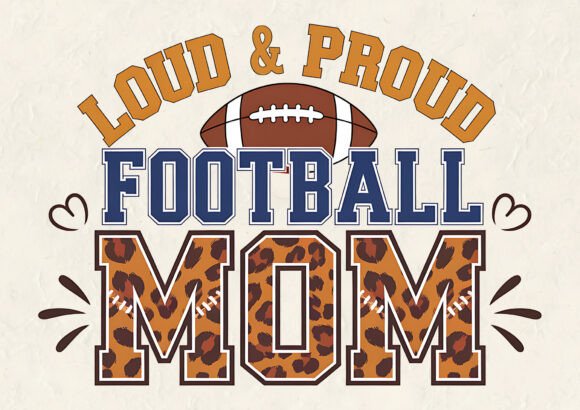
Football Leopard Sublimation Western PNG Review
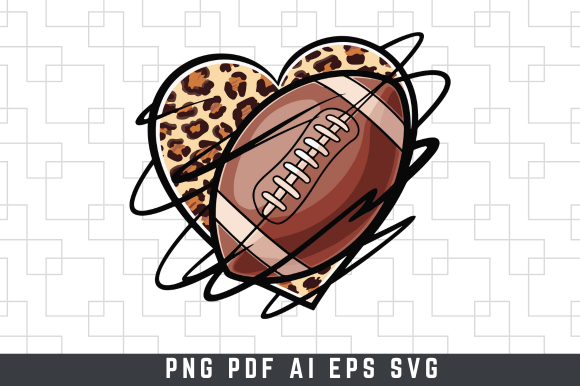
As a designer who has spent years navigating the tricky waters of converting digital graphics into tactile embroidery, I approach every new asset with a mix of excitement and skepticism. When Football Leopard Sublimation Western PNG landed in my inbox, I didn't just see a cool graphic; I saw a potential headache or a hidden gem for my upcoming boutique collection. The concept is bold: merging the rugged energy of football with the wild texture of leopard print and classic Western motifs. But does it translate well from a screen to a needle? After running some tests on scrap fabric and mockups for custom apparel, here is my honest take on how this design performs in real-world projects.
The First Impression: A Bold Visual Statement
The moment you open the file, the mood is unmistakable. This isn't a subtle, delicate floral motif meant for a baby onesie; it commands attention. The layout balances the chaotic nature of the leopard spots with the structured lines of Western wear, creating a visual personality that feels both edgy and nostalgic. For an embroidery project, this kind of high-contrast imagery is usually a double-edged sword. It can look incredibly professional if the stitch density is managed correctly, but it risks looking muddy if the details are too fine for the chosen hoop size.
In terms of visual appeal, the design naturally belongs to products that celebrate individuality. Think of a custom sweatshirt for a rodeo event, a statement tote bag for a craft fair vendor, or perhaps a unique patch for a denim jacket. The "Western" element gives it a timeless feel, while the "Football" aspect adds a modern, sporty twist. It creates a narrative of strength and style, which is exactly what customers are looking for when they buy personalized gifts or handmade products online.
Real-World Application: From Screen to Stitch
I recently decided to test Football Leopard Sublimation Western PNG by preparing a custom embroidered tote bag for a local holiday gift drive. My goal was to create something that would stand out on a shelf alongside other craft business items. The design files provided include AI, EPS, SVG, PNG, and PDF formats, which gave me the flexibility to adjust the scale without losing quality. However, the transition from vector to thread requires careful planning.
When I loaded the design onto the machine, I immediately noticed how the fill stitches interacted with the leopard pattern. In a successful execution, the varying densities of the fill stitch can mimic the depth of animal fur, adding a luxurious texture to the finished product. For a small shop product like a kitchen towel or a pillow cover, this added dimension elevates the perceived value. Customers often pay more for items that feel substantial and detailed, rather than flat and simple.
I also considered using this as an applique design for a cap. The Western theme fits perfectly with headwear, but the curved surface of a hat introduces challenges. If the design is too large or the curves are too sharp, it might pucker when stitched onto the fabric. In this scenario, the design works best as a chest logo or a back panel accent rather than a front-center focal point on a tight-fitting cap. For a baby item, however, I would be cautious. While the colors could be softened, the aggressive nature of the football and leopard combo might not suit the gentle aesthetic often desired for nursery decor or infant clothing.
Where Caution Is Key
Not every surface is a good canvas for Football Leopard Sublimation Western PNG. There are specific scenarios where this design should be used carefully or avoided entirely. If you are working with textured fabrics like heavy wool or rough burlap, the intricate details of the leopard spots might get lost in the weave. Similarly, thin or stretchy fabrics require a very robust stabilizer system to prevent distortion. Without the right support, the satin stitch areas can pull the fabric, ruining the shape of the design.
Dense stitch areas are another concern. If the design includes tiny lettering or extremely small decorative accents, these elements may not hold up after multiple washes. On dark fabric, the contrast is crucial. If the thread colors do not pop against the background, the design loses its impact. I recommend testing the design in black and white mockups first to ensure the shapes remain distinct before committing to expensive thread colors. Furthermore, on layered garments or items that need frequent washing, such as aprons or work shirts, the durability of the stitching becomes paramount. You want to ensure the design won't unravel or fade quickly.
Impact on Brand and Customer Trust
For Etsy sellers and creative entrepreneurs, the quality of your embroidery directly influences customer trust. A clean, well-executed embroidery file signals professionalism. When a buyer sees a crisp, consistent Football Leopard Sublimation Western PNG on a finished product, they assume the maker takes pride in their work. Conversely, skipped stitches or misaligned patterns can make even the most unique design look amateurish.
This design has the potential to boost brand consistency if used across various digital product previews and printable mockups. Imagine listing a set of matching holiday embroidery designs; having a cohesive theme helps buyers visualize a complete collection. However, it is vital to remember that the digital file is just the starting point. The final result depends on your skill with thread colors, stitch density, and machine settings. If you can nail the technical aspects, the design will likely drive higher engagement and sales for your commercial embroidery projects.
Practical Designer Notes for Success
Before you start stitching, there are a few non-negotiable steps to ensure success. First, always test the design on scrap fabric that matches your final material. This allows you to check the thread color contrast and inspect small details under the actual lighting conditions of your workspace. Second, review the stitch density. If the design is too dense for the fabric type, it may become stiff and uncomfortable. Third, confirm your hoop size. Ensure the design fits within your machine's capabilities without requiring awkward re-hooping that could shift the alignment.
Don't forget to use proper stabilizer. For a design with significant fill areas, a cut-away stabilizer is often necessary to provide long-term support, especially for items that will be stretched or washed frequently. Also, verify whether the design works for both personal and commercial projects. Licensing terms vary, and you must confirm you have the right to sell finished items made with this digital embroidery file before listing them on Etsy or at a craft fair.
Finally, compare light and dark fabric backgrounds. The same thread colors might look vibrant on white but disappear on navy blue. Adjusting the color palette based on the intended product—whether it is a tote bag design, sweatshirt embroidery, or an embroidered patch—can make all the difference in the final presentation. By taking the time to plan and test, you transform a simple graphic into a high-quality handmade product that your customers will love.