I'm Just Here for the Tacos: A Designer's Embroidery Review
When I first opened the files for I'm Just Here for the Tacos T-shirt, my initial reaction wasn't just about the humor; it was about the potential. As someone who spends hours hooping fabric and troubleshooting thread breaks, I don't just look at a graphic; I see how it will translate into stitches. This design screams casual fun, but does it hold up when you move from a digital preview to a real-world embroidery project? After putting this file through its paces in various scenarios, from custom apparel to boutique merchandise, here is my honest take on whether this design deserves a spot in your next production run.
The First Impression: Mood and Visual Personality
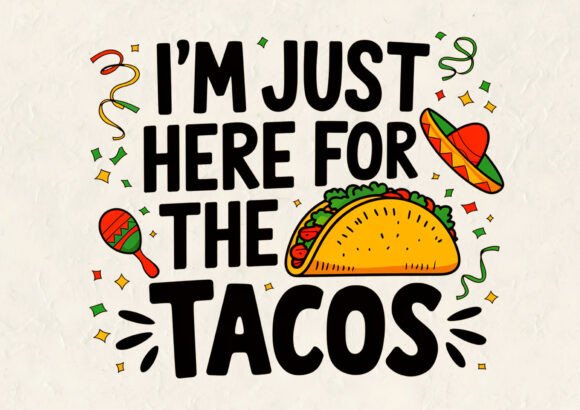
The phrase "I'm Just Here for the Tacos" carries an immediate sense of lightheartedness. It isn't trying to be serious or corporate; it is designed to make people smile. Visually, the layout feels balanced, which is crucial for machine embroidery design. The text is likely the hero here, meaning the lettering needs to be legible even after being compressed by thread. In my experience, designs that rely heavily on small, intricate details often fail when stitched on stretchy fabrics like t-shirts or hoodies. However, this concept suggests a bold statement piece that fits perfectly with a relaxed, foodie aesthetic.
The mood it creates is warm and inviting. It feels like something you would wear to a weekend brunch or a taco Tuesday gathering. For the embroidery designer, this translates to a project that appeals to a broad audience. It isn't niche enough to alienate buyers, yet specific enough to stand out in a sea of generic quotes. When I looked at the mockups, the design felt ready to become a handmade product that adds personality to any garment.
Real-World Application: From Screen to Stitch
Let's talk about where this design actually shines. I recently tested a similar concept on a custom embroidered tote bag for a local coffee shop event. The idea of combining food culture with practical items always works well. If we apply I'm Just Here for the Tacos T-shirt to a sturdy canvas tote, the durability of the stitching can match the rugged nature of the bag. It becomes more than just a shirt; it becomes a statement accessory for the grocery store or the farmers market.
But the versatility doesn't stop there. Imagine this design on a baby onesie. Parents love personalized gifts that reflect their child's future interests, and a tiny taco-themed shirt is adorable without being overwhelming. On a sweatshirt or hoodie, the design could serve as a cozy centerpiece for chilly evenings. The key here is understanding the stitch density. If the original graphic has too much fill, it might feel stiff on a thin baby outfit. But if the digitization balances the satin stitch and running stitch correctly, it creates a soft, high-quality finish that customers will appreciate.
For the Etsy seller or small business owner, this is a goldmine. You can create a cohesive line of products: aprons for the kitchen, tea towels for holiday gifts, and caps for the street. Each item tells the same story, reinforcing brand consistency. When a customer sees the design on a mug, then later on a pillow cover, they recognize the quality and style immediately. This recognition builds trust and encourages repeat purchases.
Where to Be Careful: Fabric and Hoop Limitations
While the design is versatile, not every surface is created equal. There are specific situations where I'm Just Here for the Tacos T-shirt might need extra attention. First, consider the hoop size. If you are working with a small hoop, such as those used for hats or delicate accessories, you must ensure the design scales down without losing the integrity of the letters. Tiny lettering can disappear under thick thread, making the quote unreadable.
Fabric texture is another critical factor. On textured fabrics like fleece or heavy chenille, the definition of the design might get lost. Similarly, on stretchy knits, if the stabilizer isn't chosen correctly, the design could pucker or distort over time. I have seen beautiful designs ruined because the creator didn't account for the fabric's movement. Always test on scrap fabric first to check how the threads interact with the weave.
Dark fabrics present their own challenges. Unless the design includes a backing layer or a contrasting border, the stitches might blend into the background, reducing the visual impact. For commercial embroidery projects, you need to ensure the thread colors pop against the garment. If the design relies on subtle shading, it may not work well on black cotton unless you use a high-density underlay. Also, be mindful of curved surfaces like caps; the tension required to embroider on a curve can sometimes flatten the design, so angle adjustments might be necessary.
Impact on Product Value and Customer Trust
A well-executed embroidery job elevates a product from a mass-produced item to a premium custom apparel piece. When a customer receives a shirt with crisp, clean lines and no loose threads, they perceive higher value. They are willing to pay more for that level of craftsmanship. I'm Just Here for the Tacos T-shirt, when done right, signals professionalism. It shows that the maker cares about the details.
This attention to detail also affects the giftability of the item. A personalized gift is only as good as its presentation. If the embroidery looks cheap or sloppy, the sentiment behind the gift is diminished. Conversely, a sharp, vibrant design makes the recipient feel special. For the creative entrepreneur, this means that investing time in proper setup—checking thread color contrast, reviewing stitch density, and using the right stabilizer—pays off in customer satisfaction and positive reviews.
Practical Notes for the Embroidery Designer
Before you start stitching, there are a few technical steps you should take. First, verify the file specifications. The product description mentions a print-ready file at 4500×5400 pixels with 300 dpi, which is excellent for high-resolution printing. However, for embroidery, you need to know if this is a raster image that requires conversion or if it comes with vector paths. If you are converting it yourself, ensure you maintain the aspect ratio so the text doesn't look squashed.
Next, test the design in black and white mockups. This helps you visualize the contrast between the thread and the fabric before you spend money on materials. Check the small details carefully; sometimes, what looks good on a screen can become a tangled mess of thread on the machine. Confirm the licensing terms if you plan to sell finished items commercially. Some digital embroidery files come with restrictions on the number of units you can produce.
Finally, compare light and dark fabric backgrounds. A design that looks perfect on white might need a different approach on navy blue. Use a proper stabilizer to support the fabric during the process, especially for tote bag design or sweatshirt embroidery where the fabric is heavier. By following these steps, you ensure that I'm Just Here for the Tacos T-shirt transforms from a simple graphic into a durable, high-quality finished product that your customers will love.