One Lucky Nurse T-shirt Review for Real Embroidery
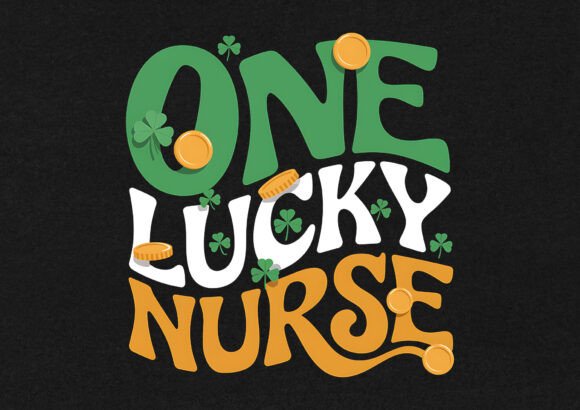
When I first opened the file for One Lucky Nurse T-shirt, my initial reaction was a mix of professional skepticism and genuine excitement. As someone who has spent years stitching custom apparel and reviewing design assets for small business owners, I know that a good graphic is not just about looking pretty on a screen; it is about how it translates into thread. This design immediately struck me as having a strong personality. It feels less like a generic template and more like a badge of honor meant to be worn with pride.
The mood created by this piece is unmistakably supportive and celebratory. The layout suggests a clear focal point, likely centered around the text or a central iconography typical of medical appreciation themes. For an embroidery designer, the first impression matters because it dictates the entire workflow. Does this design scream "hospital staff room" or does it whisper "personalized gift"? In this case, One Lucky Nurse T-shirt sits comfortably in the middle: it is professional enough for a boutique shop but warm enough for a heartfelt family present. It naturally belongs on items that see daily wear, where the durability of the stitch and the clarity of the message are paramount.
From Screen to Stitch: A Real-World Scenario
Let's talk about a real-life scenario. Imagine you are preparing for the upcoming holiday season. You have a client who runs a small nursing home or perhaps a local hospital unit that wants to create matching gear for their end-of-year celebration. They need something that says "We appreciate you" without being overly sentimental or cliché. This is where One Lucky Nurse T-shirt becomes a practical solution.
I visualized taking this design and applying it to a high-quality, dark navy polo shirt for the staff. The contrast would be striking if the right thread colors were chosen. However, I also imagined a softer application: a baby onesie or a soft cotton tote bag for a new graduate nurse. The versatility here is key. If you are an Etsy seller looking to expand your catalog beyond standard t-shirts, this design asset could easily pivot into a tote bag design or even a kitchen towel for a nurse who loves to cook after a long shift.
But here is the catch: the transition from a digital preview to a physical finished product can be tricky. When I reviewed the file structure, I noted it comes as a print-ready PNG at 4500×5400 resolution. While this is excellent for printing on mugs or creating mockups, for actual machine embroidery, the vectorization process is critical. If you are using this as a base for digitizing, you must ensure that the curves of the letters and any decorative elements translate well into satin stitch or fill stitch. A design that looks crisp on a monitor can sometimes suffer from thread breaks or puckering if the density isn't managed correctly during the conversion.
Where to Use (and Where to Pause)
One Lucky Nurse T-shirt is a versatile piece, but it is not a magic bullet for every surface. My experience tells me that certain applications require a cautious approach. For instance, if you plan to use this on a curved surface like a baseball cap, you need to be mindful of the distortion. The design might look perfect flat, but wrapping it around the crown of a hat can stretch the lettering or crowd the details.
Similarly, if you are working with thin fabrics or highly textured materials like a heavy boucle knit, the stability of the design becomes a concern. Without the proper stabilizer, the weight of the threads could cause the fabric to pucker, ruining the clean lines of the typography. I strongly advise testing the design on scrap fabric first. This is non-negotiable for any serious craft business owner who wants to maintain brand consistency.
There are also specific areas where this design should be used carefully. Small hoop sizes are a common pitfall. If the design contains tiny lettering or intricate decorative accents, shrinking it down to fit a 4x4 inch hoop might result in a muddy mess where the threads merge together. In those cases, the running stitch might not hold up well against the tension required for smaller areas. Furthermore, if you are working with dark fabric, the underlay and thread color selection become even more critical. You don't want the design to get lost in the weave of the material.
Impact on Visual Appeal and Customer Trust
For the Etsy seller or the small shop product creator, the quality of the embroidery directly correlates to customer trust. A sloppy stitch job can make a handmade product feel cheap, regardless of the price point. One Lucky Nurse T-shirt, when executed correctly, elevates the perceived value of the item. It signals that the maker cares about the details. The design acts as a visual anchor that customers can recognize instantly.
When a buyer sees a beautifully embroidered patch or a crisp logo on a sweatshirt, they are buying into the sentiment behind it. This design taps into the emotional connection people have with healthcare workers. It makes for a fantastic personalized gift or a wedding gift for a nurse entering the profession. The professionalism of the final output depends entirely on the execution. Are the edges clean? Is the thread tension balanced? Does the design sit flush against the garment? These questions determine whether the item feels like a mass-produced commodity or a cherished keepsake.
For those looking to create commercial embroidery projects, the licensing terms are vital. Before you start producing batches of shirts for a hospital chain or selling these designs as part of a larger bundle, you must confirm the usage rights. Some digital embroidery files allow for personal use only, while others grant commercial privileges. Ignoring this step can lead to legal headaches down the road.
Practical Designer Notes for Success
To get the most out of One Lucky Nurse T-shirt, follow these practical steps derived from real-world testing:
- Test on Scrap Fabric: Never commit to a full run without a test. Check how the stitch density interacts with your specific fabric type.
- Review Thread Colors: Compare light and dark fabric backgrounds to ensure maximum contrast. Sometimes a color that looks great on screen needs adjustment in thread form.
- Inspect Small Details: Zoom in on the design before digitizing. Are there any corners that might break or gaps that might close up?
- Check Hoop Size: Ensure your machine's hoop can accommodate the design dimensions without cutting off essential elements.
- Use Proper Stabilizer: The foundation of a good embroidery project is the stabilizer. Match it to the fabric weight and texture.
- Verify Licensing: Confirm whether you can sell finished items or if the license restricts commercial use.
If you are planning to use this for holiday embroidery or to create a line of apparel decorators merchandise, this design offers a solid starting point. It is simple enough to be reproducible across different garments but distinctive enough to stand out in a crowded market. Whether you are making baby embroidery items for a shower or creating custom apparel for a corporate event, the potential is there.
Ultimately, One Lucky Nurse T-shirt is more than just a graphic; it is a tool for expression. By treating it with the respect it deserves—through careful preparation, testing, and execution—you can turn a simple digital file into a tangible symbol of gratitude. For the creative entrepreneur, the goal is always to bridge the gap between a digital concept and a tactile reality. With the right attention to detail, this design can do exactly that, delivering a product that honors the hard work of nurses everywhere.
Remember, the best design assets are those that adapt to the craftsperson's skill level. Take your time, experiment with different thread colors, and don't be afraid to tweak the layout if necessary to suit your specific embroidery project. That flexibility is what separates a hobbyist from a pro.