Pole Dance Evolution
When I first opened the Pole Dance Evolution file, my immediate reaction wasn't about the technical specs, but rather the energy it projected. As a designer who has spent years refining embroidery assets for clients and personal boutiques, I know that a good design needs to do more than just sit on a screen; it must translate seamlessly into thread. This piece captures a dynamic sense of motion and strength that feels perfectly suited for the active lifestyle niche. The layout is clean, avoiding the cluttered look that often plagues busy graphics, which is exactly what you want when converting digital art into a tactile machine embroidery design.
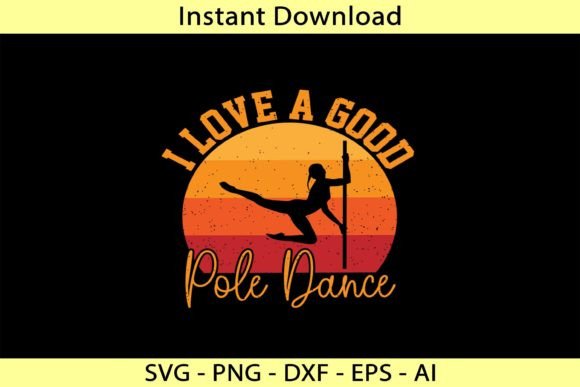
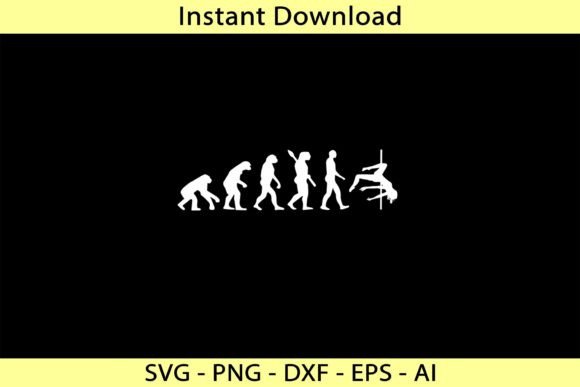
The visual personality of Pole Dance Evolution suggests a modern, spirited vibe. It doesn't scream "gym shirt" in a generic way; instead, it offers a sophisticated nod to the art form itself. For an embroidery project, this distinction matters immensely. When stitching on apparel like hoodies or sweatshirts, the design needs to hold its shape without looking stiff. The curves implied in the name and likely the imagery (given the title) promise fluid lines that can be rendered beautifully with satin stitches, provided the density is managed correctly.
Bringing the Design to Life: A Real-World Scenario
Let's imagine a practical scenario. I am preparing a custom order for a boutique owner who specializes in fitness gear. She wants a limited-run collection of embroidered patches and tote bags for her pole dance studio. Her goal is to create items that students will proudly wear to class and carry their gear in. She selects Pole Dance Evolution as the centerpiece for these products.
Here is where the design truly shines. On a sturdy canvas tote bag, the design acts as a bold statement. The contrast between the dark fabric and the thread colors becomes the focal point, drawing attention immediately. However, the real test comes with the smaller applications. Imagine applying this to a baby onesie as a unique gift for a dancer's child, or perhaps a cozy apron for a studio instructor. The Graphics within the file are versatile enough to scale down without losing their character, provided we respect the limits of the hoop size.
In this context, Pole Dance Evolution does more than decorate; it builds community. When a customer sees this stitched onto a handmade product, they feel a connection to the brand. It signals that the maker understands the aesthetic of the sport. The design elevates a simple tote bag design from a utility item to a piece of merchandise that customers actually want to display. It adds value to the finished product, making it a viable option for an Etsy seller looking to stand out in a crowded marketplace.
Technical Performance and Stitch Considerations
Transitioning from concept to reality requires a keen eye for stitch density and placement. When working with a file intended for custom apparel, the behavior of the threads is paramount. If the design relies heavily on dense fill stitches, it might become too stiff for a soft cotton t-shirt or a stretchy jersey blend. For Pole Dance Evolution, the key lies in balancing the structural elements with open areas that allow the fabric to breathe.
I recommend testing the stitch density on scrap fabric before committing to the final piece. Pay close attention to how the satin stitch handles any sharp angles or tight corners. In a commercial embroidery setting, consistency is everything. You don't want a batch of hats where the logo looks slightly different due to shifting tension. The design should ideally use a mix of running stitch for delicate details and fill stitch for solid blocks of color to ensure clarity.
Fabric texture plays a massive role here. While this design works wonders on smooth materials like twill for caps or flat surfaces like pillow covers, it might struggle on highly textured fabrics like heavy boucle wool. The threads could get lost in the weave, or worse, the needle could snag. Similarly, while it is a great choice for a sweatshirt embroidery job on the chest, applying it to a curved surface like a baseball cap requires careful digitizing adjustments to prevent puckering. Always ensure your hoop size matches the design dimensions to maintain alignment.
Navigating Limitations and Best Practices
No single design is perfect for every application, and honest evaluation means knowing where to exercise caution. Pole Dance Evolution might not be the ideal candidate for very small hoop sizes if the file contains intricate micro-details that could blur together during stitching. If the original artist included tiny lettering or fine lines, these areas are prone to breaking or merging on thin fabrics.
For embroidery designers working with dark fabric, thread color selection becomes critical. High contrast is essential to make the design pop. If you are creating a personalized gift for a client, using low-contrast threads on a black background can result in a muddy appearance that lacks the professional polish required for high-end small shop products. Always review the design in black and white mockups to verify that the shapes remain distinct even without color.
Another area to watch is the durability aspect. Products that undergo frequent washing, such as kitchen towels or aprons, require robust stitching. Ensure that the design uses proper underlay techniques to anchor the threads securely. If the design is too light, it may wash out quickly, diminishing the perceived quality of the handmade product. For holiday embroidery projects, consider adding a border or frame if the design is meant to be part of a larger seasonal display, as standalone designs sometimes need extra framing to look complete on large items like blankets.
Essential Designer Notes for Success
- Test Before You Sell: Always run a test stitch on scrap fabric to check thread tension and fabric stability. This step prevents costly errors when fulfilling orders for an Etsy seller or craft business.
- Check File Formats: Verify the specific embroidery file formats available. Ensure compatibility with your machine software before purchasing or downloading.
- Licensing Matters: Confirm whether the license allows for commercial use. Many digital embroidery files have restrictions on selling finished items, so read the terms carefully to protect your creative entrepreneur status.
- Stabilizer Selection: Use the correct type of stabilizer for the fabric weight. Heavy stabilizers are needed for stretchy fabrics to prevent distortion, while lighter options work best for delicate items like baby embroidery pieces.
- Colorway Testing: Create printable mockups with different thread colors to see how the design performs against various backgrounds. This helps in presenting accurate previews to clients.
Ultimately, Pole Dance Evolution is a strong asset for anyone looking to add a touch of athleticism and style to their inventory. Whether you are crafting a patch for a denim jacket, designing a pillow cover for a dorm room, or creating a line of printed mockups for a print-on-demand service, this design offers a solid foundation. Its versatility makes it suitable for a wide range of design assets, from apparel decorators to hobbyists looking to expand their skills.
By approaching the project with realistic expectations and following standard embroidery protocols, you can transform this digital file into a stunning physical object. The result is a finished product that not only looks professional but also resonates with the target audience. For those in the craft fair circuit or running a boutique branding operation, Pole Dance Evolution provides the kind of visual identity that drives engagement and builds trust with buyers. It is a reminder that behind every successful handmade product is a thoughtful evaluation of how the design will behave in the real world.