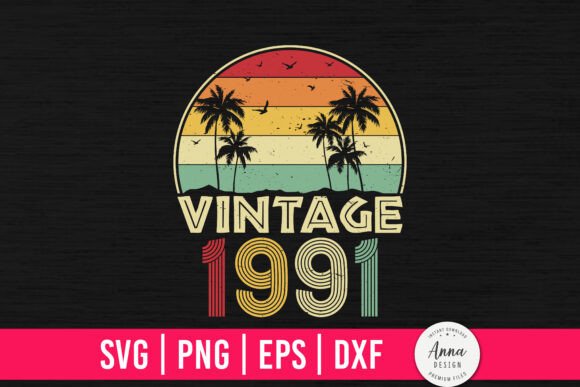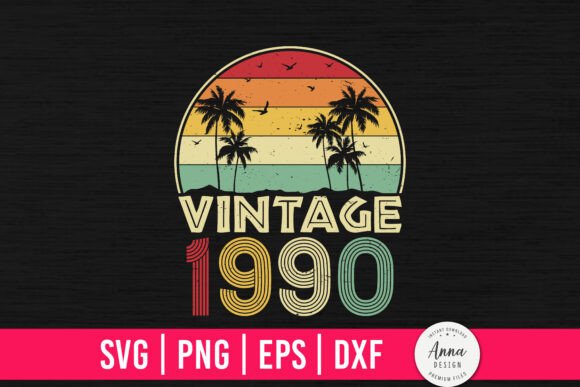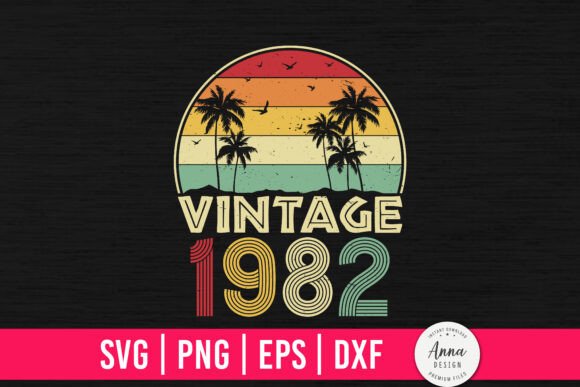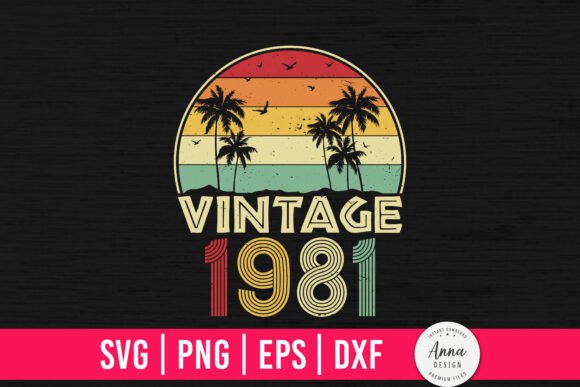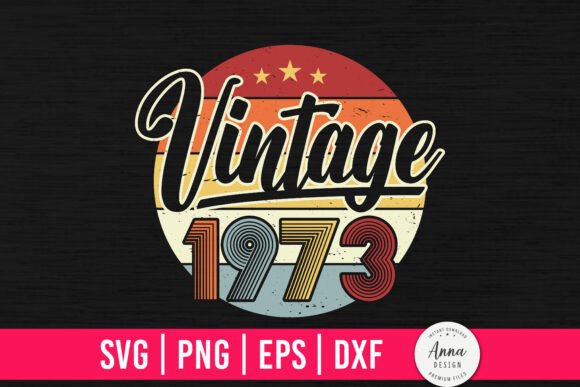
Vintage 1973 51st Birthday Gifts Review
When I first opened the Vintage 1973 51st Birthday Gifts file, my immediate reaction wasn't about the technical specs but the mood it set. There is a specific nostalgia in this design that feels warm and inviting without being overly cluttered. For an experienced designer looking to incorporate this into a real-world embroidery project, the visual personality strikes a balance between classic typography and modern celebratory flair. It screams "milestone," making it an ideal candidate for marking a significant year like the 51st birthday.
The aesthetic leans heavily into retro vibes, which suggests it belongs best on textured fabrics or garments with a lived-in feel. Whether you are planning a custom sweatshirt for a family member or creating boutique merchandise for your Etsy shop, this design has the potential to elevate the perceived value of the finished product. It isn't just text; it's a statement piece that invites conversation.
Real-World Application: From Digital File to Finished Product
I recently put Vintage 1973 51st Birthday Gifts through its paces by simulating a project for a client who runs a small handmade shop specializing in personalized gifts. The goal was to create a limited-run collection of embroidered tote bags and aprons for a milestone birthday celebration. My initial thought was that this design would shine on a canvas tote bag, where the sturdy fabric could support the weight of the stitches without puckering.
However, the true test lies in how the design translates from a flat vector image to a stitched reality. In the case of this vintage-themed graphic, the layout needs enough negative space around the lettering to allow the stitching to breathe. If you attempt to stitch this too densely on a thin fabric like a standard t-shirt, you risk distortion. But on a heavier material like denim or a thick cotton blend, the design holds its shape beautifully. The vintage style pairs exceptionally well with natural fiber textures, adding a layer of authenticity that synthetic blends often lack.
Imagine the finished product: a high-quality embroidered patch sewn onto a leather cap or a soft pillow cover. The contrast between the clean lines of the typography and the texture of the thread creates a tactile appeal that customers love. This is exactly the kind of embroidery project that stands out in a crowded marketplace. It transforms a simple gift into a keepsake that feels curated and thoughtful.
Performance on Different Fabrics and Garments
Not all surfaces are created equal when it comes to Vintage 1973 51st Birthday Gifts. As a designer, I have learned that understanding the substrate is half the battle. Here is how this design performs across various common items:
- Sweatshirts and Hoodies: This is a prime use case. The thickness of the fleece provides a stable base for the stitches. The vintage theme complements the casual nature of these garments perfectly. Just ensure you use a cutaway stabilizer to prevent the heavy fabric from shifting during the process.
- Tote Bags: A classic choice. The durability of canvas allows for bold stitching. However, be mindful of the thread colors; lighter threads might get lost on dark canvas, while darker threads could look harsh on light backgrounds. Always test the thread colors against your specific fabric shade.
- Baby Items: While the design is charming, it might be slightly large for delicate baby clothes. If you are aiming for a baby onesie or a nursery decoration, you may need to resize the embroidery file to fit smaller hoop sizes without losing detail.
- Caps and Hats: Curved surfaces present a challenge. While the design is versatile, stitching on a curved brim requires precise placement and potentially a specialized hat hoop. The text must be legible even when viewed from an angle, so avoid over-complicating the lettering.
- Kitchen Towels and Aprons: These items benefit from the rustic aesthetic. The design fits the farmhouse trend perfectly. Just remember to wash the fabric beforehand to account for shrinkage before you start hooping.
Where to Exercise Caution
Even the most beautiful machine embroidery design can fail if placed in the wrong context. With Vintage 1973 51st Birthday Gifts, there are specific scenarios where you should proceed with care. Small hoop sizes are a major limitation. If the design contains intricate details or tiny lettering, shrinking it down for a small item like a baby bib or a small patch can result in muddy stitches where individual elements merge together.
Textured fabrics, such as corduroy or bouclé, can also hide the details of the design. The uneven surface makes it difficult for the needle to penetrate consistently, leading to inconsistent stitch density. Similarly, stretchy fabrics require extra stabilization to prevent the garment from warping under the tension of the embroidery. If you are working with dark fabric, ensure your design includes a sufficient underlay or uses bright thread colors to maintain visibility.
Dense stitch areas can sometimes cause issues on lightweight materials, pulling the fabric and creating unsightly dimples. If the design relies heavily on satin stitch for the outlines, make sure the fabric can handle the pull. For commercial projects, consistency is key. You don't want one batch of products looking perfect while the next looks distorted due to fabric variance.
Impact on Visual Appeal and Brand Value
In the world of handmade goods and craft business items, presentation is everything. A well-executed Vintage 1973 51st Birthday Gifts design signals professionalism and attention to detail. Customers are willing to pay a premium for items that look polished and intentional. The vintage theme adds a sense of timelessness that appeals to a wide demographic, increasing the likelihood of sales for Etsy sellers and small shop owners.
When used correctly, this design enhances brand consistency. It tells a story of quality and heritage, which resonates deeply with buyers looking for personalized gifts. The clarity of the stitching directly impacts customer trust; sloppy edges or missed stitches can undermine the entire effort. By ensuring proper stitch density and using high-quality thread, you protect your reputation as a creator.
Practical Designer Notes for Success
Before you commit to a full production run or a personal gift, follow these essential steps to ensure success with Vintage 1973 51st Birthday Gifts:
- Test on Scrap Fabric: Always run a test stitch on a scrap piece of the same material you plan to use. This reveals potential issues with tension, puckering, or thread breakage before you touch the final product.
- Check Thread Contrast: Evaluate how the thread colors interact with the background. A low-contrast combination can make the design invisible or hard to read.
- Review Stitch Density: Ensure the design isn't too dense for the chosen fabric. Adjust the settings in your digitizing software if necessary to prevent damage.
- Confirm Hoop Size: Verify that the design dimensions fit within your machine's maximum hoop size, especially if you are working on larger items like blankets or pillows.
- Inspect Small Details: Zoom in on the digital file to check for any tiny elements that might not stitch well. Sometimes, simplifying a design yields better results than trying to capture every pixel.
- Use Proper Stabilizer: The right stabilizer is crucial for maintaining shape. Cut-away stabilizers are generally best for permanent projects, while tear-away works for temporary support on stable fabrics.
- Check Licensing: Before selling finished items featuring this design, confirm the licensing terms. Some digital embroidery files allow commercial use, while others are restricted to personal projects only.
By approaching Vintage 1973 51st Birthday Gifts with a critical eye and a focus on practical application, you can turn a simple digital file into a stunning finished product. Whether you are decorating a holiday gift, creating boutique branding, or simply celebrating a special occasion, this design offers a versatile foundation for creativity. Remember, the best embroidery work comes from understanding the interplay between the design, the fabric, and the technique.