Best Bearded Beer Lovin Cat T-shirt
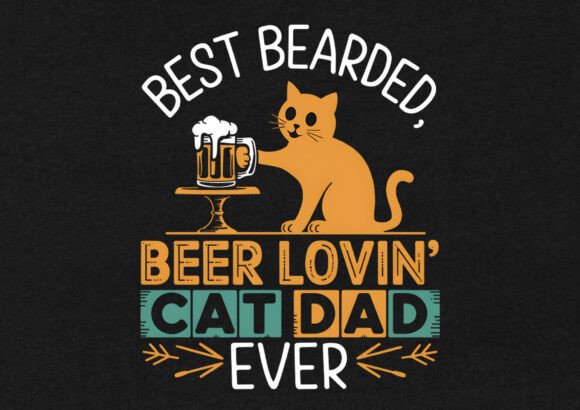
When I first opened the folder for the Best Bearded Beer Lovin Cat T-shirt, I didn't just see a graphic; I saw a character. As someone who has spent years reviewing embroidery files for everything from boutique branding to personalized baby gifts, my first instinct is always to look past the pretty preview and ask: how does this actually translate to thread? This design captures a specific mood immediately—it's rustic, humorous, and undeniably cozy. It feels like something you'd find on a shelf in a local craft brewery or hanging in a maker's studio that specializes in artisanal goods.
The concept of a bearded cat enjoying a pint is visually distinct, which is crucial for any machine embroidery design. In the world of handmade products, visual clarity is what separates a mass-produced knockoff from a premium item. The layout suggests a strong central focal point with text that likely wraps around the imagery. For an embroiderer, this balance is everything. If the text is too small or the beard details are too fine, the magic disappears under the needle. Based on the file specifications provided—a high-resolution 4500×5400 PNG at 300 dpi—I can tell this was created with print and production in mind, offering plenty of detail to work with before we even think about digitizing or stitching.
From Screen to Stitch: A Real-World Scenario
Let's imagine a real project. I am preparing merchandise for a local "Craft & Brew" pop-up shop. The goal is to create a line of custom apparel and home goods that appeal to both beer enthusiasts and animal lovers. I pull up the Best Bearded Beer Lovin Cat T-shirt design to test its viability on a heavy cotton sweatshirt. My immediate thought is about the texture of the fabric versus the density of the design.
Sweatshirts offer a forgiving canvas, but they require careful stabilizer selection. If I were to use this design for a sweatshirt embroidery project, the fill stitches would need to lay flat against the knit without puckering. The design's personality shines brightest here. Imagine a customer picking up a hoodie featuring this cat. The humor lands perfectly, making it an ideal personalized gift for a birthday or a holiday present. It isn't just a logo; it's a conversation starter.
However, I wouldn't rush to put this on a delicate baby onesie without further testing. While the theme is cute, the "beard" element might get lost if the hoop size is too small or if the stitch count is too aggressive for thin infant fabric. The design feels more suited for adult wearables, tote bags, or perhaps a sturdy kitchen towel where the texture adds to the charm rather than detracting from it.
Where This Design Shines and Where to Pause
Not every embroidery file is a universal fit, and being honest about limitations is part of professional design judgment. The Best Bearded Beer Lovin Cat T-shirt is a versatile asset, but it demands respect for its technical constraints. Here is where I would recommend focusing your efforts:
- Custom Apparel and Hoodies: This is the sweet spot. The design scales well on chest areas or full-back prints. The contrast between the cat's fur (likely requiring multiple thread colors) and the background will pop beautifully on dark fabrics if you choose the right thread palette.
- Tote Bags and Aprons: For a tote bag design, the durability of the stitches matters. Canvas is tough, so this design could handle a higher stitch density, making the beard look lush and the beer mug realistic. An apron with this motif would be a hit in a culinary workshop setting.
- Holiday Embroidery: Think Christmas stockings or New Year's Eve party favors. The "beer lovin" aspect fits perfectly with winter gatherings, making it a timely choice for seasonal collections.
Conversely, there are scenarios where this design requires caution. If you are working with small hoop sizes or trying to create a tiny embroidered patch, the details might become muddy. Thin fabrics like silk or lightweight polyester blends can distort dense fill stitch areas, leading to a lumpy finish. Similarly, on stretchy materials, the design needs to be stabilized heavily to prevent warping during wear.
I also advise against placing this on curved surfaces like baseball caps unless you have significant experience with cap hoops. The curvature can compress the design elements, potentially making the text hard to read or the cat's face look distorted. For embroidered patches, you would need to ensure the border is clean and the backing is appropriate for iron-on or sew-on application.
Visual Appeal and Customer Trust
In the competitive landscape of Etsy seller shops and craft business marketplaces, presentation is key. A high-quality digital embroidery file translates directly into perceived value. When a customer sees a finished product featuring the Best Bearded Beer Lovin Cat T-shirt, they aren't just buying a shirt; they are buying the assurance that the creator took care with the details.
If the stitch density is managed correctly, the design conveys professionalism. Customers trust brands that deliver consistent, crisp results. A blurred or poorly executed embroidery job can ruin the brand consistency of a handmade shop. This design, with its clear lines and thematic depth, offers a great opportunity to build that trust. It works well as a design asset for creating mockups, allowing you to showcase the product realistically before you even cut the fabric.
The versatility extends to commercial embroidery projects as well. Whether you are fulfilling orders for a corporate event, a team uniform, or a boutique collection, the unique character of the cat adds a layer of fun that generic logos lack. It helps your finished product stand out in a crowded marketplace, increasing buyer engagement and shareability on social media.
Practical Notes for the Designer
Before you load this into your machine, there are a few critical steps to ensure success. First and foremost, always test the design on scrap fabric first. This is non-negotiable. You need to see how the thread colors interact with your specific fabric choice. Does the beard color show up clearly against a black shirt? Do the highlights in the beer mug appear muddy?
Check the thread colors carefully. Since the original file is a PNG, you will need to select matching threads from your own inventory. Pay attention to the lighting conditions when comparing swatches. Also, review the stitch density in your digitizing software. If the design is too dense for the fabric weight, you risk breaking needles or causing the fabric to pucker. Adjust the settings accordingly.
Confirm your hoop size matches the dimensions of the design. Using a hoop that is too large for a small design wastes time, while one that is too small may cut off essential details. Inspect small details like the whiskers or the foam on the beer head; these are often the first things to fail if the running stitch length is incorrect.
Don't forget to test the design in black and white mockups. Sometimes, a design looks great in color but lacks the necessary contrast to read well when printed or stitched monochromatically. This is especially important if you plan to sell printable mockups or digital previews.
Finally, verify the licensing terms. Even though you purchased the Graphics for use in T-Shirt Designs, you must confirm whether you have the right to sell the finished physical items or distribute the digital file itself. Most commercial licenses allow for selling the final product, but some restrict the number of units or require a separate license for unlimited production.
By taking the time to evaluate the Best Bearded Beer Lovin Cat T-shirt through this practical lens, you ensure that your final creation is not just a nice image, but a durable, high-quality piece of art that your customers will love. Whether you are a seasoned pro or a hobbyist looking to start a small shop product line, this design has the potential to be a standout addition to your repertoire.