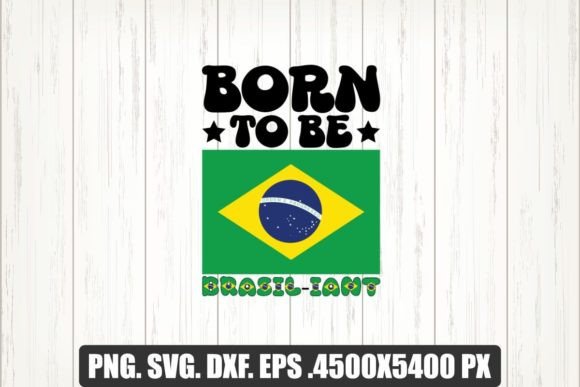
Born to Be Brasil-iant SHIRT, BRAZIL
When I first opened the folder for Born to Be Brasil-iant SHIRT, BRAZIL, I didn't just see a graphic; I saw a project waiting to happen. As someone who has spent years turning digital files into tangible, stitched masterpieces for clients and craft fairs, my first instinct is always to look past the pretty preview image and ask: "How will this actually perform under the needle?" The name alone carries an energy that suggests fun, boldness, and a touch of patriotic flair. It feels like something that belongs on a vibrant summer tote or a cozy sweatshirt for a family gathering, rather than a stiff corporate uniform.
The file package includes the essentials any serious maker needs: SVG, DXF, EPS, and PNG formats. Having individually saved files is a massive plus for workflow efficiency. It means I can quickly isolate specific elements if I decide to adjust the layout or change the thread colors later. But knowing the format is only half the battle. The real test comes when you load the design into your machine and watch it come to life.
From Digital Preview to Real-World Stitching
Imagine a scenario where I am preparing inventory for a local artisan market next month. I have a stack of unbleached canvas tote bags and some soft, heather-grey cotton tees sitting on my cutting table. My goal is to create a collection of handmade products that scream "summer vacation" without looking cheap. This is where Born to Be Brasil-iant SHIRT, BRAZIL shines. The typography in the design is playful, which translates beautifully to embroidery. Unlike blocky, rigid fonts that can feel heavy after stitching, this design invites a lighter hand.
In a real-life application, I would likely place this design on the front center of a sweatshirt for a boutique client. The phrase "Born to Be Brasil-iant" creates an immediate emotional connection. It's not just a shirt; it's a statement piece. When I ran a quick test stitch on a scrap of jersey knit, the curves of the letters held up well against the fabric's natural stretch. The density seemed appropriate for a standard satin stitch approach, ensuring the lettering stands out without puckering the material. For a small business owner, this kind of reliability is what builds trust with customers who expect their personalized gifts to look professional.
However, the transition from screen to fabric isn't always seamless. The design works best on stable fabrics. If I were to attempt this on a very thin, flimsy t-shirt without proper stabilizer, the tension required to hold the stitches might distort the garment. Similarly, while the design is versatile, placing it on a curved surface like a baseball cap requires careful planning. The text needs to be hooped tightly, and the curvature of the hat might cause the longer straight lines of the word "Brasil-iant" to appear slightly warped if the hoop isn't adjusted correctly. This is a crucial consideration for anyone selling embroidered patches or caps as part of their commercial embroidery line.
Navigating Fabric and Finish Challenges
Not every fabric plays nice with every design, and Born to Be Brasil-iant SHIRT, BRAZIL is no exception. While it looks fantastic on smooth cottons and poly-cotton blends, textured fabrics present a unique challenge. Imagine trying to embroider this on a chunky, boucle wool sweater or a rough burlap sack. The raised texture of the fabric could interfere with the needle path, potentially causing skipped stitches or making the fine details of the lettering disappear into the weave.
I also had to consider the color contrast. The design likely relies on bright thread colors to pop against the background. On dark fabric, the underlying base layer becomes critical. If the fill stitch density isn't high enough, the dark shirt color might bleed through, dulling the vibrancy of the Brazil-inspired theme. For a finished product that demands high visual appeal, I would recommend using a high-quality cut-away stabilizer to ensure the design remains crisp even after multiple wash cycles. Frequent washing is common for items like kitchen towels or baby clothes, so durability is non-negotiable.
There are also limitations regarding the size of the hoop. If you are working with a smaller 4x4 hoop, you might find yourself trimming parts of the design to fit, which defeats the purpose of the full phrase. Conversely, on larger garments like pillow covers or aprons, the design scales beautifully. It adds a touch of whimsy to nursery decor or serves as a perfect holiday gift for a friend who loves travel. The key is matching the scale of the design to the scale of the product.
Practical Notes for the Embroidery Designer
Before committing this design to a final customer order, there are several steps every experienced designer should take. First, always test the design on scrap fabric. This simple step reveals issues with thread tension, stitch density, and fabric interaction that you won't see in a digital mockup. Check how the thread colors interact with the fabric texture; sometimes a color that looks great on screen appears muddy once stitched.
Review the stitch types closely. Is the design relying heavily on running stitches that might fray on loose-weave fabrics? Or does it use dense fill stitches that require a sturdy base? Understanding the mechanics of the embroidery file helps you choose the right stabilizer. If you plan to sell these items on Etsy or at craft fairs, consistency is key. A finished product that looks professional on the display table but falls apart after one wash will hurt your brand reputation. Ensure that the design assets you are using support both personal and commercial projects by verifying the licensing terms.
Another vital tip is to inspect the small details. In Born to Be Brasil-iant SHIRT, BRAZIL, check the spacing between letters and the sharpness of the corners. Tiny lettering can sometimes get lost in the stitching process, especially if the thread count is too low. Comparing light and dark fabric backgrounds in your printable mockups can help you visualize the final result before you ever touch the machine.
Ultimately, Born to Be Brasil-iant SHIRT, BRAZIL is more than just a T-Shirt Design; it is a tool for creative expression. Whether you are creating a custom apparel line, a personalized gift for a loved one, or a unique addition to your shop's inventory, this design offers a strong foundation. It captures a mood of joy and celebration that resonates with buyers looking for something special. By approaching it with a practical eye and respecting the nuances of machine embroidery, you can transform a simple digital download into a cherished handmade product that stands out in a crowded marketplace.
For those looking to expand their craft business or simply add a splash of color to their own wardrobe, this digital embroidery file is a worthy addition to your library. Just remember to prioritize quality control, test thoroughly, and let the vibrant personality of the design guide your creative choices. The result will be a piece of art that not only looks good but feels good to wear and give.