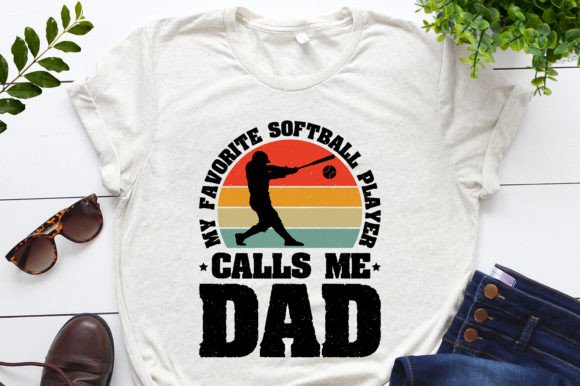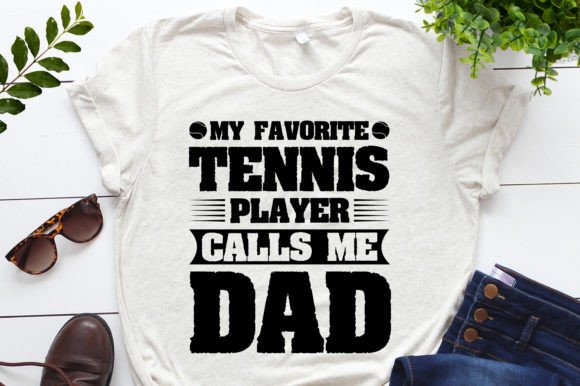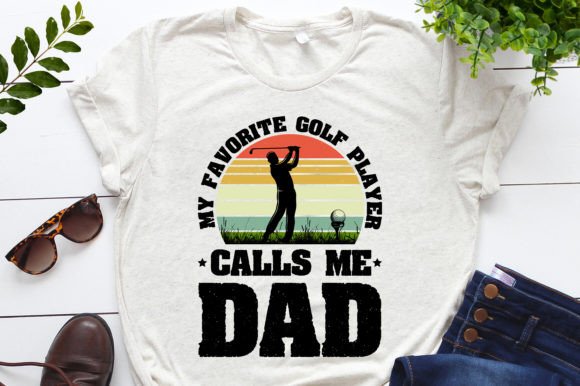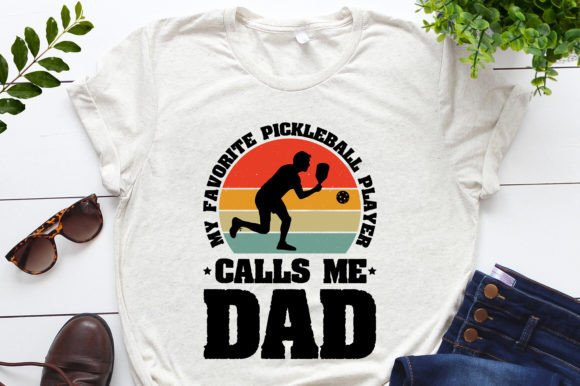
Favorite Pickleball Player Calls Me Dad
When I first opened the folder for Favorite Pickleball Player Calls Me Dad, my immediate thought wasn't about the file formats or pixel dimensions. It was about the story behind the text. As a designer who has spent years refining embroidery files for real-world clients, I know that the best designs aren't just pretty graphics; they are emotional anchors. This piece hits that note instantly. It captures a specific, heartwarming moment of pride that every parent in the pickleball community understands. The layout feels balanced, and the typography suggests a design that is ready to be stitched into something tangible.
I often tell my students that a successful embroidery project starts with the concept before it ever touches the hoop. In this case, the concept is pure joy. Whether you are an Etsy seller looking to capitalize on the booming pickleball market or a crafter making a gift for a family member, Favorite Pickleball Player Calls Me Dad offers a strong visual hook. It works because it is personal. It transforms a generic sports theme into a celebration of family connection. When you hold a finished product featuring this design, the customer doesn't just see a shirt; they feel the smile of the dad watching his child win a match.
From Digital File to Finished Product
Let's talk about how this design behaves when we move from the screen to the fabric. The provided assets include a high-resolution PNG and vector files (EPS and SVG), which gives us excellent flexibility. However, as a reviewer, I need to stress that having a clean digital source is only half the battle. The true test is how the stitches lay down on different materials. For instance, if I were to use this for a custom embroidered tote bag, the sturdy canvas would handle the fill stitch well, creating a bold statement piece perfect for a craft fair display.
Imagine preparing a batch of sweatshirts for a local club tournament. You want something that looks professional but retains a handmade charm. Favorite Pickleball Player Calls Me Dad fits this scenario perfectly. The text is clear enough to be legible even from a distance, which is crucial for apparel. If you are using satin stitch for the lettering, the vectors will help ensure smooth curves without jagged edges. But remember, the look of the final product depends heavily on your thread colors. A classic white thread on a navy blue hoodie creates a timeless contrast, while neon yellow thread might give it a sportier, more energetic vibe. Choosing the right thread colors is essential to maintaining the design's personality.
For smaller items like baby clothes or a nursery pillow cover, this design takes on a softer tone. The phrase is gentle and affectionate. When stitching onto delicate fabrics, however, you must be cautious. The density of the design matters significantly here. If the fill areas are too dense, the fabric might pucker, ruining the drape of a onesie. I always recommend testing the design on scrap fabric first to check the stitch density and ensure the stabilizer matches the weight of the garment. A lightweight tear-away might work for a t-shirt, but a cut-away is often necessary for stretchy knits to prevent distortion over time.
Navigating Real-World Constraints
No design is universal, and Favorite Pickleball Player Calls Me Dad has its limitations based on where you place it. While it shines on flat surfaces like aprons, kitchen towels, and pillow covers, curved surfaces present a unique challenge. Trying to embroider this on a fitted cap requires precision. The curvature can distort the text if the machine isn't calibrated correctly or if the hoop size is too small. Small hoop sizes simply cannot accommodate the width of the design without cutting off letters or causing severe puckering.
Texture is another factor that designers often overlook until the last minute. Embroidery on textured fabrics like boucle wool or heavy denim can hide the fine details of the design. If the fabric has a deep nap, the needle might struggle to penetrate, leading to skipped stitches. Similarly, thin fabrics require extra care. Without proper backing, the tension of the stitches could pull the material out of shape. For these reasons, I advise against using this design on very thin, stretchy materials unless you have stabilized them thoroughly with multiple layers of adhesive or water-soluble stabilizer.
Dense stitch areas are also a point of consideration. If the design includes intricate decorative accents or detailed corners, those elements might not render well on dark fabrics if the underlay isn't sufficient. Dark backgrounds absorb light, making lighter threads less visible. To combat this, you might need to adjust your thread colors or increase the number of passes in the fill stitch. Always inspect small details closely after stitching. If a letter looks faint or a curve looks rough, you may need to tweak the digitizing settings before running a full production run.
Building Trust Through Quality
In the world of handmade products and commercial embroidery, quality dictates trust. A sloppy stitch job can ruin a brand's reputation, no matter how cute the slogan is. Favorite Pickleball Player Calls Me Dad provides a solid foundation for building a professional image. When customers receive a personalized gift or a boutique product with crisp, clean embroidery, they associate that quality with the maker's skill. It elevates the perceived value of the item, allowing you to price your finished product appropriately.
This design is particularly effective for holiday gifts and wedding favors. The sentiment resonates with parents, making it a hit for Christmas stockings or Father's Day cards attached to a custom hat. For Etsy sellers, high-quality printable mockups featuring this design can drive engagement. Buyers love seeing realistic previews of how the design will look on a real item. By presenting Favorite Pickleball Player Calls Me Dad in various contexts—on a tote bag, a baby bib, or a sweatshirt—you help the customer visualize their purchase, which increases conversion rates.
However, before you start selling, you must verify the licensing terms. Many digital embroidery files come with restrictions on commercial use. Ensure that you have the right to sell finished items made from this design. Some licenses allow for limited quantities, while others require a separate commercial agreement. Ignoring these terms can lead to legal issues down the line. Additionally, confirm the file compatibility with your specific embroidery machine. While most modern machines accept standard formats, checking the stitch count and machine specifications beforehand prevents costly errors.
Practical Tips for the Modern Maker
To get the most out of this design, follow these practical steps. First, run a test stitch on a piece of scrap fabric that mimics your final material. Check the thread color contrast under different lighting conditions. Second, review the stitch density to ensure it isn't too heavy for the intended fabric. Third, confirm the hoop size requirements to avoid cropping issues. Finally, compare light and dark fabric backgrounds to decide on the best thread palette.
Whether you are creating a single custom apparel piece for a friend or launching a line of small shop products, Favorite Pickleball Player Calls Me Dad offers a versatile and emotionally resonant option. It bridges the gap between a simple graphic and a meaningful keepsake. By paying attention to the nuances of fabric texture, stabilizer choice, and stitch execution, you can turn this digital asset into a standout finished product that customers will cherish. Remember, the magic of embroidery lies in the details, and with careful planning, this design can become a favorite in any craft business portfolio.