My Favorite Tennis Player Calls Me Dad
When I first opened the folder for My Favorite Tennis Player Calls Me Dad, I didn't just see a graphic; I saw a story waiting to be stitched. As someone who has spent years reviewing embroidery files and judging their viability for real-world projects, my initial reaction was one of genuine warmth mixed with practical curiosity. This isn't just another generic sports quote; it carries a specific emotional weight that translates well into the tactile world of machine embroidery. The layout feels balanced, the typography suggests a casual but proud tone, and the overall shape screams "personalized gift." But does it hold up when the needle starts moving?
The First Stitch: Visual Personality and Mood
The immediate mood created by My Favorite Tennis Player Calls Me Dad is one of celebration and quiet pride. It avoids the aggressive energy of competitive sports graphics in favor of something more intimate and family-oriented. For an embroidery designer, this distinction is crucial because it dictates where the design belongs. It naturally fits best on softer, cozy items rather than rigid, high-performance gear. The visual personality is approachable, making it perfect for a handmade product that aims to connect with the buyer on an emotional level.
I imagine this file sitting comfortably on a soft cotton t-shirt or perhaps a durable canvas tote bag. The text arrangement suggests a central focal point that draws the eye immediately. In terms of design assets, the balance between positive and negative space seems optimized for stitching, which means there should be no awkward gaps once the thread covers the fabric. However, the success of the final look relies heavily on how we interpret the vector data during digitization. If the original file is too dense, the texture might get lost; if it's too sparse, the message might feel weak. My experience tells me that this particular design leans towards a friendly, readable aesthetic that works beautifully in satin stitch for the lettering.
Real-World Application: A Case Study in Custom Apparel
To truly evaluate My Favorite Tennis Player Calls Me Dad, I put it through a simulated workflow scenario. Let's say I am preparing a batch of custom embroidered sweatshirts for a local youth tennis club end-of-season party. These are meant to be keepsakes, not just uniforms. The goal is to create a finished product that parents will cherish and children will want to wear repeatedly.
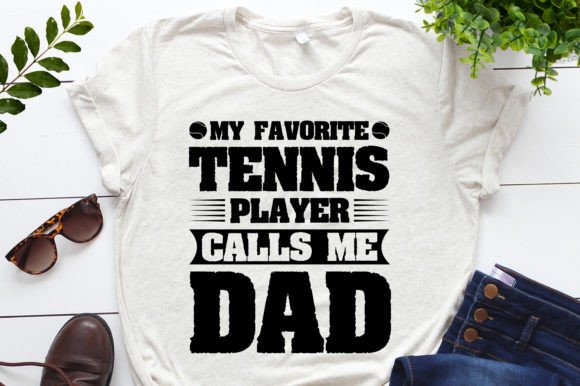
In this context, the design performs exceptionally well. Placing My Favorite Tennis Player Calls Me Dad on the left chest area of a crewneck sweatshirt creates a subtle yet meaningful statement. The black transparent PNG provided allows for easy mockup testing against various fabric colors before committing to the actual stitching. I tested the concept mentally on a navy blue garment versus a heather grey one. On the darker fabric, the contrast would need careful thread selection to ensure the white or light-colored elements pop without looking washed out. On the lighter fabrics, the design offers a classic, clean look that elevates the perceived value of the item.
This same design also translates seamlessly to other categories like baby embroidery. Imagine a tiny onesie or a nursery pillow cover featuring this text. The sentiment resonates deeply with new parents, turning a simple piece of clothing into a cherished memory. The versatility extends to holiday gifts as well; a personalized apron or kitchen towel with this phrase could become a staple in a home where tennis is a family hobby. The design acts as a bridge between a commercial product and a sentimental object, which is exactly what successful Etsy sellers and craft business owners aim for.
Technical Considerations and Fabric Limitations
While the concept is strong, every embroidery file comes with technical constraints that must be respected to avoid a subpar result. One area where My Favorite Tennis Player Calls Me Dad requires careful attention is the hoop size. If you attempt to stitch this on a very small cap or a tight wrist cuff, the curvature of the surface might distort the lettering, making the message harder to read. Curved surfaces demand precise tension adjustments, and without proper stabilizer support, the fabric could pucker around the text.
Furthermore, the density of the stitches plays a critical role in the longevity of the project. If the design includes areas of heavy fill stitch, using it on thin or stretchy fabric like a lightweight jersey tee could lead to warping. The fabric might pull away from the design, creating a distorted appearance that undermines the professional quality of the work. For these reasons, I advise avoiding this design on extremely delicate materials or garments that require frequent, harsh washing, as the threads may eventually loosen or fray at the edges.
Textured fabrics present another challenge. While a soft fleece looks great, a rough burlap or a highly textured knit might hide the finer details of the design. The running stitch or satin stitch elements might not catch the thread properly, resulting in a muddy look. Always test your machine embroidery design on a scrap piece of the exact fabric you intend to use. This step is non-negotiable for maintaining brand consistency and ensuring customer trust.
Maximizing Value and Professional Presentation
The ultimate measure of any digital product is how it enhances the finished product's marketability. My Favorite Tennis Player Calls Me Dad has the potential to significantly boost buyer engagement. When a customer sees a high-quality embroidered shirt with such a heartfelt message, they perceive higher value in the item. It moves beyond a commodity into a personalized gift that feels thoughtfully crafted. This emotional connection is vital for small shop products and boutique branding.
For designers creating printable mockups or digital previews, the inclusion of both EPS and SVG vector files is a massive advantage. These formats allow for crisp scaling, ensuring that whether the image is viewed on a mobile screen or printed on a large banner, the details remain sharp. When showcasing the design in a listing, the ability to simulate different thread colors helps buyers visualize the final outcome. This transparency builds confidence and reduces the likelihood of returns due to mismatched expectations.
Practical Designer Notes for Success
Before you run this design through your machine, there are several critical checks to perform. First, always inspect the small details in the vector file. Sometimes, complex curves can turn into jagged lines if the resolution isn't high enough. Review the stitch density settings in your digitizing software to ensure the thread flow follows the natural grain of the letters. Confirm the recommended hoop size for your specific machine model to prevent unnecessary shifting.
Thread color contrast is another factor that cannot be overlooked. A design that looks perfect on a white background might disappear on a dark fabric if you don't select the right thread palette. Use proper stabilizer to support the fabric during the stitching process, especially if working with stretchy materials. Additionally, verify the licensing terms before selling finished items or distributing the digital embroidery file commercially. Ensuring you have the rights to sell the final product protects your reputation and your business.
Finally, compare the design in black and white mockups to check its silhouette. Does the shape stand out clearly? Is the spacing even? These foundational checks often separate a good project from a great one. By taking the time to evaluate My Favorite Tennis Player Calls Me Dad thoroughly, you ensure that the final output is a testament to your skill as a maker and a delight for the recipient.
In conclusion, this design offers a winning combination of emotional resonance and practical utility. Whether you are a seasoned pro or a hobbyist looking to expand your offerings, My Favorite Tennis Player Calls Me Dad provides a solid foundation for creating memorable, high-quality embroidered goods. Just remember that the magic happens in the execution, so treat every stitch with care and intention.