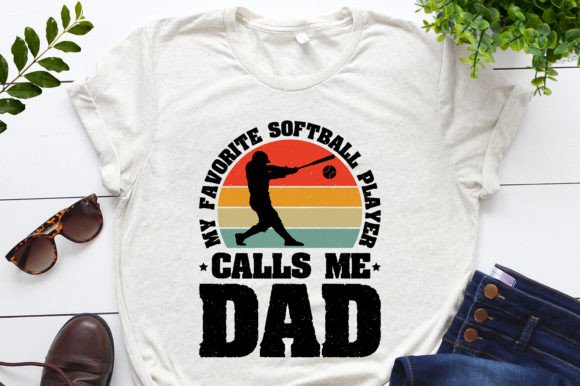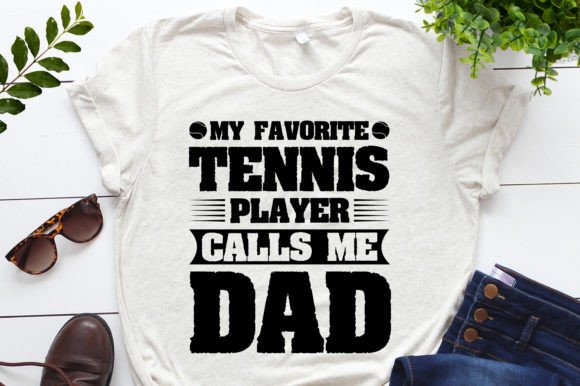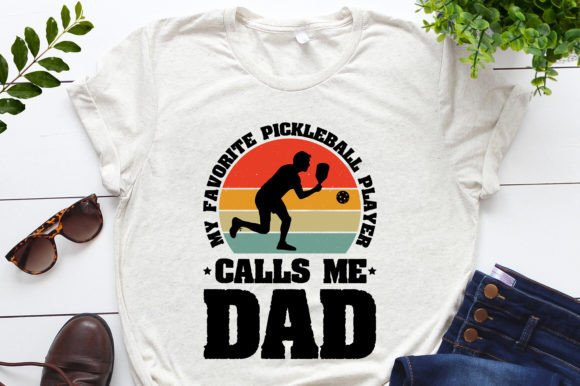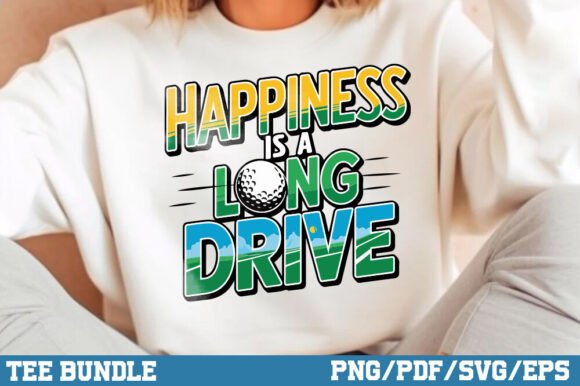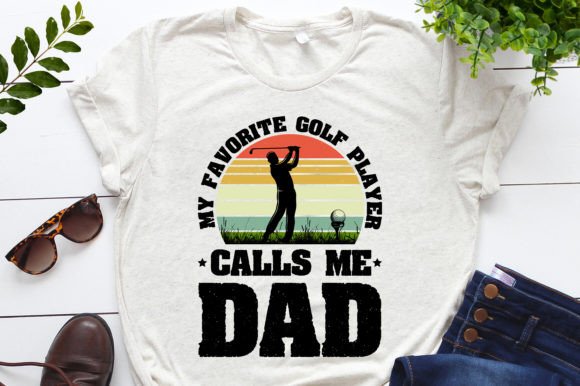
My Favorite Golf Player Calls Me Dad
When I first opened the folder for My Favorite Golf Player Calls Me Dad, I didn't just see a graphic; I saw a potential bestseller. As someone who has spent years testing embroidery files on everything from stiff denim to delicate baby knits, my first instinct is always to look past the marketing fluff and ask: "Will this hold up under the needle?" The design carries a warm, personal sentiment that resonates immediately with parents of athletes, but the real test lies in how it translates from a digital screen to a stitched reality.
The visual personality of My Favorite Golf Player Calls Me Dad strikes a balance between playful pride and classic sporty aesthetics. It feels like something that belongs on a high-quality cotton tee or a sturdy canvas tote, rather than a flimsy promotional item. The layout suggests a narrative—perhaps a golf ball icon paired with bold lettering—that invites the viewer to imagine the finished product hanging in a boutique or worn at a country club. For an Etsy seller or a small shop owner, this kind of emotional connection is exactly what drives clicks and conversions.
Real-World Application: From Screen to Stitch
I recently considered using this file for a custom order for a client who wanted to celebrate their son's graduation into college golf. The scenario was specific: a sweatshirt for the dad and a matching cap for the player. My initial thought was to place My Favorite Golf Player Calls Me Dad on the back of a heavyweight hoodie. However, before committing to the final piece, I had to run through a mental checklist of practical constraints.
Golf apparel often involves stretchy performance fabrics or textured pique materials. If the design includes dense fill stitches, those areas might distort on a stretchy polo shirt unless proper stabilizers are used. On a heavy sweatshirt, the same design would sit beautifully, offering a crisp, professional finish that customers expect when they pay a premium price. I also imagined this design on a kitchen towel or a pillow cover as a holiday gift. In those contexts, the text becomes a focal point of decor, transforming a standard household item into a personalized keepsake. The versatility here is significant, allowing a single digital asset to serve multiple product lines within a craft business.
Where This Design Shines
- Custom Apparel: It works exceptionally well on t-shirts and hoodies where the fabric provides a stable base for satin and fill stitches.
- Baby Embroidery: The sentiment is perfect for onesies or nursery wall hangings, provided the stitch density is adjusted for delicate skin.
- Accessories: A tote bag design featuring this phrase adds a touch of humor and pride, making it ideal for gift bags or event merchandise.
- Holiday Gifts: During Father's Day or Christmas, this embroidery project offers a ready-made solution for handmade gifts that feel thoughtful and custom.
Navigating Potential Pitfalls
While the concept is strong, every machine embroidery design has its limits. I need to be honest about where My Favorite Golf Player Calls Me Dad might struggle. If you plan to use this on a curved surface like a baseball cap, the curvature can distort long lines of text if the digitization isn't perfectly compensated. Small details in the corners of letters can get lost if the hoop size is too small, leading to a cluttered look that reduces the overall professionalism of the piece.
Textured fabrics present another challenge. If the material has a heavy weave or a nubby texture, the threads may not lay flat, causing the design to look uneven. Similarly, on dark fabrics, thread color contrast becomes critical. If the original file assumes a light background, switching to a black shirt without adjusting the thread colors could result in a design that disappears into the fabric. For commercial embroidery projects, these nuances determine whether a customer returns or leaves a negative review.
I also advise caution with very thin fabrics. Without adequate stabilizer support, the tension required for a clean satin stitch could cause puckering, ruining the garment. This is especially true for items that will undergo frequent washing, such as aprons or children's clothing. The durability of the stitch pattern must match the intended lifespan of the product.
Technical Considerations for the Designer
Before jumping into production, there are several technical steps any serious designer should take. First, always test the design on scrap fabric that matches your final material. This simple step reveals issues with thread tension, stabilizer choice, and stitch density that aren't visible on a computer screen. You want to ensure that the stitch density isn't so high that the fabric bunches up, nor so low that the image looks sparse.
Reviewing the file formats is equally important. The inclusion of vector files like EPS and SVG is a major plus for designers who need to resize the artwork for different products without losing quality. However, always verify the specific requirements for your embroidery machine. Some machines handle certain file types better than others, and converting between formats can sometimes introduce unexpected artifacts.
Thread color selection plays a huge role in the final aesthetic. A bright yellow thread might pop on a navy blue shirt, while a white thread could blend in too much on a light gray background. Experimenting with mockups in both black and white helps visualize the contrast levels before spending money on actual thread. Furthermore, confirm whether the license allows for commercial use. Many creators purchase these graphics to sell finished products, so understanding the terms is essential for protecting your small business.
Impact on Brand and Customer Trust
In the world of handmade products, presentation is everything. A well-executed finished product built around My Favorite Golf Player Calls Me Dad signals attention to detail and care. Customers can tell the difference between a rushed job and one that was planned with precision. When the stitching is clean, the colors are vibrant, and the placement is centered, it builds trust. This trust translates to repeat business and positive word-of-mouth, which is the lifeblood of any craft business.
For an Etsy seller or a maker at a craft fair, having a reliable design asset like this can streamline the workflow. Instead of creating a new design from scratch for every order, you have a proven template that appeals to a specific niche. This efficiency allows you to focus on marketing and customer service while maintaining a consistent brand identity across your shop. Whether it is a boutique product or a digital product preview, the quality of the underlying design sets the tone for the entire transaction.
Ultimately, My Favorite Golf Player Calls Me Dad is more than just a collection of pixels or vectors; it is a tool for storytelling. It captures a moment of familial pride and turns it into a tangible object. By approaching the digitization process with care, respecting the limitations of the fabric, and paying attention to the smallest details, you can transform this digital file into a cherished physical memory. For designers looking to expand their catalog with meaningful, marketable items, this design offers a solid foundation for success.